Discover the Journey of Heirloom Chocolatiers' Chocolate
Chocolate lovers around the world often find themselves enchanted by the rich flavors and textures of their favorite treat. But have you ever wondered about the journey that chocolate takes from bean to bar? Heirloom chocolatiers are at the forefront of this journey, crafting unique chocolate experiences that celebrate the origins of cacao. In this post, we will explore the fascinating world of heirloom chocolate, its significance, and the meticulous process that transforms cacao beans into exquisite chocolate bars.
What is Heirloom Chocolate?
Heirloom chocolate refers to cacao varieties that are rare, unique, and often grown in specific regions known for their exceptional flavor profiles. Unlike mass-produced chocolate, heirloom chocolate emphasizes quality over quantity, focusing on the distinct characteristics of the cacao beans.
Characteristics of Heirloom Cacao
Genetic Diversity: Heirloom cacao varieties are often genetically diverse, which contributes to their unique flavors. This diversity is crucial for maintaining the health of cacao crops and ensuring sustainable farming practices.
Flavor Profiles: Heirloom chocolates are known for their complex flavor notes, which can range from fruity and floral to nutty and earthy. Each variety tells a story of its origin, influenced by the soil, climate, and cultivation methods.
Sustainable Practices: Many heirloom chocolatiers prioritize sustainable farming practices, supporting local farmers and promoting biodiversity. This commitment not only enhances the quality of the chocolate but also benefits the environment and local communities.
The Journey from Bean to Bar
The journey of heirloom chocolate begins with the careful selection of cacao beans. Here’s a step-by-step look at the process:
1. Sourcing the Cacao
Heirloom chocolatiers often work directly with farmers in specific regions known for their unique cacao varieties. This direct trade model ensures that farmers receive fair compensation for their crops and fosters a strong relationship between the chocolatier and the producer.
2. Fermentation
Once the cacao pods are harvested, the beans are removed and placed in fermentation boxes. This crucial step typically lasts for several days and is essential for developing the beans' flavor. The fermentation process allows the natural sugars in the beans to break down, creating the complex flavors that characterize heirloom chocolate.
3. Drying
After fermentation, the beans are spread out in the sun to dry. This step is vital for reducing moisture content, which helps prevent mold and ensures the beans can be stored for longer periods. Proper drying also enhances the flavor profile of the chocolate.
4. Roasting
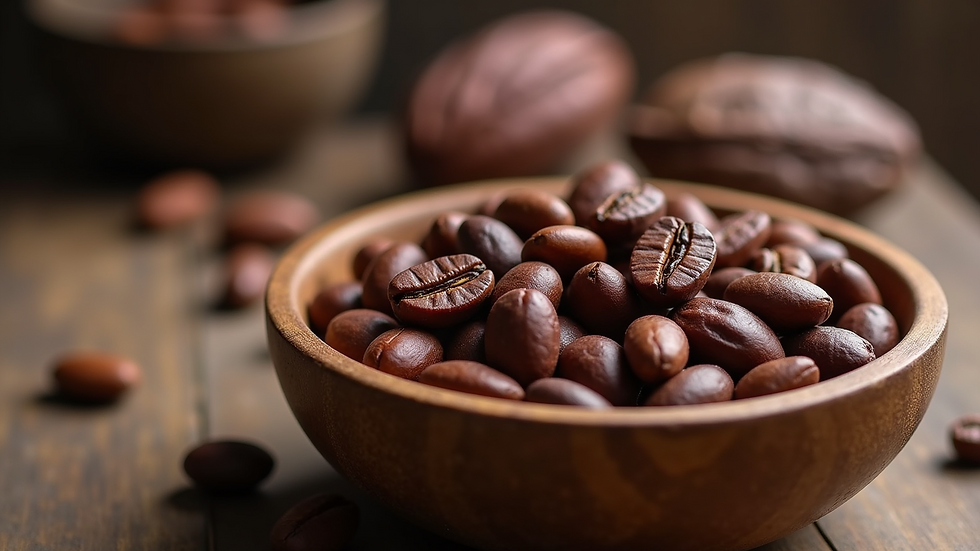
Roasting is where the magic truly begins. The dried cacao beans are roasted at specific temperatures to bring out their unique flavors. Heirloom chocolatiers often experiment with different roasting times and temperatures to achieve the desired flavor profile.
5. Winnowing
Once roasted, the beans are cracked open to separate the nibs from the shells. This process, known as winnowing, is essential for obtaining the pure cacao nibs that will be used to make chocolate.
6. Grinding
The cacao nibs are then ground into a paste known as chocolate liquor. This process releases the natural cocoa butter, resulting in a smooth, rich texture. Heirloom chocolatiers often add sugar and other ingredients at this stage to create their unique recipes.
7. Conching
Conching is a process that involves continuously mixing and aerating the chocolate liquor to improve its texture and flavor. This step can take several hours and is crucial for achieving the silky smoothness that characterizes high-quality chocolate.
8. Tempering
Tempering is the final step before molding the chocolate into bars. This process involves carefully cooling and reheating the chocolate to stabilize the cocoa butter crystals, resulting in a glossy finish and a satisfying snap when broken.
9. Molding and Packaging
Once tempered, the chocolate is poured into molds and allowed to cool. After solidifying, the bars are carefully packaged, often with information about the cacao's origin and flavor notes, allowing consumers to appreciate the story behind their chocolate.
The Importance of Heirloom Chocolate
Heirloom chocolate is more than just a delicious treat; it represents a commitment to quality, sustainability, and the preservation of biodiversity. Here are some key reasons why heirloom chocolate matters:
Supporting Farmers
By choosing heirloom chocolate, consumers support small-scale farmers who cultivate unique cacao varieties. This direct trade model ensures that farmers receive fair wages and encourages sustainable farming practices.
Promoting Biodiversity
Heirloom cacao varieties contribute to the genetic diversity of cacao crops, which is essential for the long-term health of the cacao industry. By preserving these unique varieties, heirloom chocolatiers help protect against diseases and climate change.
Enhancing Flavor Experiences
Heirloom chocolate offers a sensory experience that mass-produced chocolate simply cannot match. The complex flavors and aromas of heirloom chocolate invite consumers to explore and appreciate the nuances of cacao.
Encouraging Sustainable Practices
Many heirloom chocolatiers prioritize environmentally friendly practices, such as organic farming and agroforestry. By supporting these practices, consumers contribute to a healthier planet and a more sustainable food system.
How to Choose Heirloom Chocolate
When shopping for heirloom chocolate, consider the following tips to ensure you select the best options:
Look for Certifications
Many heirloom chocolatiers obtain certifications that indicate their commitment to fair trade, organic farming, and sustainability. Look for labels that reflect these values.
Read the Label
Pay attention to the cacao percentage listed on the packaging. Higher percentages typically indicate a richer chocolate flavor. Additionally, check for information about the cacao's origin and flavor notes.
Explore Different Varieties
Heirloom chocolate comes in various flavors and textures, so don’t hesitate to try different brands and varieties. Each one offers a unique tasting experience that reflects its origin.
Support Local Artisans
Whenever possible, purchase heirloom chocolate from local chocolatiers or farmers' markets. This not only supports your community but also allows you to learn more about the chocolate-making process.
The Future of Heirloom Chocolate
As consumers become more aware of the importance of sustainable and ethical sourcing, the demand for heirloom chocolate is likely to grow. Heirloom chocolatiers are at the forefront of this movement, championing quality and sustainability in the chocolate industry.
Innovations in Chocolate Making
Heirloom chocolatiers are continually experimenting with new techniques and flavor combinations. From bean-to-bar workshops to collaborations with local chefs, the future of heirloom chocolate is filled with exciting possibilities.
Education and Awareness
As more people discover the unique flavors of heirloom chocolate, education about its origins and production processes will become increasingly important. Heirloom chocolatiers are dedicated to sharing their knowledge and passion with consumers, fostering a deeper appreciation for chocolate.
Conclusion
The journey of heirloom chocolatiers' chocolate is a testament to the dedication and craftsmanship that goes into creating exceptional chocolate experiences. By choosing heirloom chocolate, you not only indulge in a delicious treat but also support sustainable practices and the preservation of unique cacao varieties. So the next time you savor a piece of heirloom chocolate, take a moment to appreciate the journey it took to reach your palate. Explore, taste, and enjoy the rich flavors that tell the story of cacao and the artisans who bring it to life.


Comments