Heirloom Chocolatiers: Crafting Fine Artisanal Chocolates
Chocolate is more than just a sweet treat; it is an experience that engages the senses and evokes emotions. In recent years, the rise of heirloom chocolatiers has transformed the chocolate landscape, bringing a focus on quality, craftsmanship, and sustainability. These artisans are dedicated to creating fine artisanal chocolates that not only taste exquisite but also tell a story of their origins.
The Rise of Heirloom Chocolatiers
The term "heirloom" refers to varieties of cacao that have been cultivated for generations, often in specific regions known for their unique flavor profiles. Unlike mass-produced chocolates, heirloom chocolates are made from high-quality cacao beans that are carefully sourced and processed. This movement has gained momentum as consumers become more aware of the importance of sustainable practices and the impact of their choices on the environment.
What Sets Heirloom Chocolatiers Apart?
Heirloom chocolatiers distinguish themselves through several key practices:
Sourcing: They prioritize direct trade relationships with cacao farmers, ensuring fair compensation and sustainable farming practices.
Craftsmanship: Each batch of chocolate is crafted with meticulous attention to detail, often involving traditional methods that enhance flavor and texture.
Flavor Profiles: Heirloom chocolates often showcase unique flavor notes that reflect the terroir of the cacao beans, similar to fine wines.
The Process of Crafting Artisanal Chocolates
Creating fine artisanal chocolates is a labor of love that involves several stages, each crucial to the final product.
1. Sourcing Quality Cacao Beans
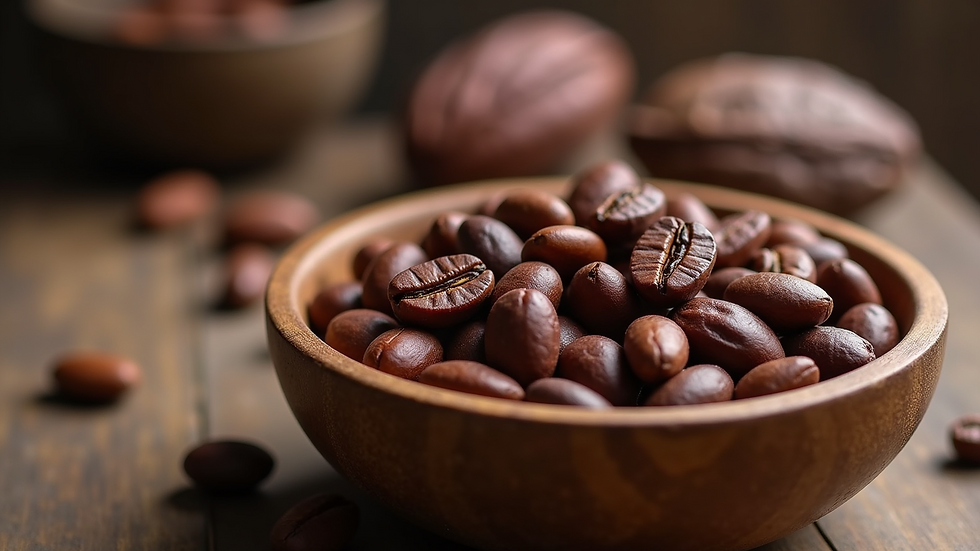
The journey begins with sourcing high-quality cacao beans. Heirloom chocolatiers often travel to cacao-growing regions, such as Ecuador, Madagascar, or Peru, to establish relationships with farmers. This direct trade model not only supports local economies but also allows chocolatiers to select the best beans based on flavor and quality.
2. Fermentation and Drying
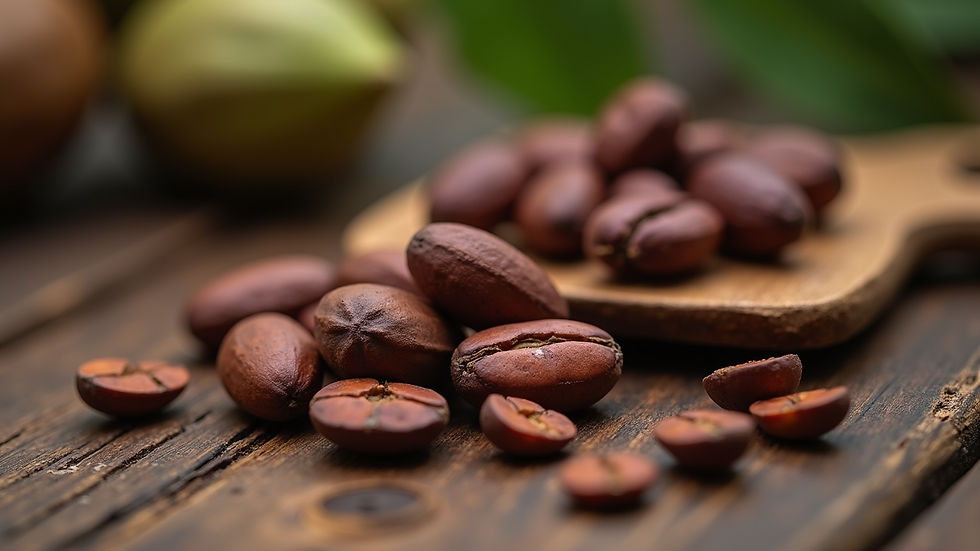
Once harvested, cacao beans undergo fermentation, a critical step that develops their flavor. The beans are placed in shallow containers and covered with banana leaves, allowing natural yeasts to work their magic. After fermentation, the beans are dried in the sun, which further enhances their flavor profile.
3. Roasting
Roasting is where the magic truly begins. Heirloom chocolatiers carefully roast the beans to bring out their unique flavors. The temperature and duration of roasting can significantly impact the final taste, making this step an art form in itself.
4. Grinding and Conching
After roasting, the beans are cracked open to remove the shells, leaving behind cacao nibs. These nibs are then ground into a paste known as chocolate liquor. This process can take several hours, and during this time, the chocolate is conched, which involves continuous mixing to develop a smooth texture.
5. Tempering and Molding
Tempering is essential for achieving the perfect snap and shine in chocolate. This process involves carefully cooling and reheating the chocolate to stabilize the cocoa butter crystals. Once tempered, the chocolate is poured into molds, ready to take on various shapes and forms.
6. Packaging and Presentation
The final step in the process is packaging. Heirloom chocolatiers often take great care in designing their packaging, reflecting the quality and artistry of their chocolates. Beautifully wrapped bars or elegantly boxed assortments make for perfect gifts or personal indulgences.

The Flavor Profiles of Heirloom Chocolates
One of the most exciting aspects of heirloom chocolates is their diverse flavor profiles. Each variety of cacao brings its own unique characteristics, influenced by factors such as soil, climate, and cultivation methods. Here are some notable flavor profiles you might encounter:
Fruity Notes: Some heirloom chocolates exhibit bright, fruity flavors reminiscent of berries, citrus, or tropical fruits.
Nutty Undertones: Others may have rich, nutty notes, evoking flavors of almonds or hazelnuts.
Floral Hints: Certain varieties can surprise with delicate floral aromas, adding complexity to the tasting experience.
Spicy Accents: A few heirloom chocolates may even have subtle spicy notes, reminiscent of cinnamon or chili.
The Importance of Sustainability
Sustainability is at the heart of the heirloom chocolate movement. By supporting direct trade and ethical farming practices, heirloom chocolatiers contribute to the well-being of cacao farmers and their communities. This commitment to sustainability extends beyond sourcing; many chocolatiers also focus on eco-friendly packaging and minimizing their carbon footprint.
Supporting Local Communities
Heirloom chocolatiers often engage in community development initiatives, providing education and resources to cacao farmers. This support helps improve farming practices, increase yields, and ultimately enhance the quality of the cacao produced. By investing in local communities, chocolatiers ensure a brighter future for both the farmers and the chocolate industry.
The Experience of Tasting Heirloom Chocolates
Tasting heirloom chocolates is an experience that goes beyond mere consumption. It is an opportunity to engage with the story behind each bar, to appreciate the craftsmanship, and to savor the unique flavors that result from careful cultivation and processing.
How to Taste Chocolate Like a Connoisseur
To fully appreciate heirloom chocolates, consider the following steps:
Observe: Take a moment to look at the chocolate. Notice its color and shine, which can indicate quality.
Smell: Bring the chocolate close to your nose and inhale deeply. Identify any aromas that stand out.
Snap: Break a piece of chocolate to hear the satisfying snap. This is a sign of well-tempered chocolate.
Taste: Allow the chocolate to melt slowly on your tongue. Pay attention to the flavors that develop as it melts.
Savor: Reflect on the experience. What flavors did you notice? How did they evolve?
Pairing Heirloom Chocolates with Other Flavors
Heirloom chocolates can be paired with a variety of flavors to enhance the tasting experience. Here are some popular pairings:
Wine: Dark chocolates pair beautifully with red wines, while lighter chocolates complement white wines.
Cheese: The creaminess of cheese can balance the richness of chocolate, creating a delightful contrast.
Fruits: Fresh fruits, such as berries or citrus, can enhance the fruity notes in certain chocolates.
The Future of Heirloom Chocolates
As consumers continue to seek out high-quality, sustainable products, the future of heirloom chocolates looks bright. More chocolatiers are emerging, each bringing their unique perspective and creativity to the craft. This growing interest in artisanal chocolates is not just a trend; it reflects a deeper appreciation for quality, sustainability, and the stories behind our food.
Embracing the Craft
For those interested in exploring the world of heirloom chocolates, consider visiting local chocolatiers or attending chocolate tastings. Engaging with artisans and learning about their processes can deepen your understanding and appreciation of this fine craft.
Conclusion
Heirloom chocolatiers are redefining the chocolate experience by focusing on quality, sustainability, and craftsmanship. Their dedication to creating fine artisanal chocolates not only delights the palate but also supports ethical practices in the cacao industry. As you explore the world of heirloom chocolates, remember to savor each bite and appreciate the rich stories behind them. Whether you are a chocolate enthusiast or a casual consumer, there is always something new to discover in this delicious realm.
So, the next time you indulge in a piece of chocolate, consider its journey from bean to bar and the artisans who pour their hearts into crafting these exquisite treats.

Comments